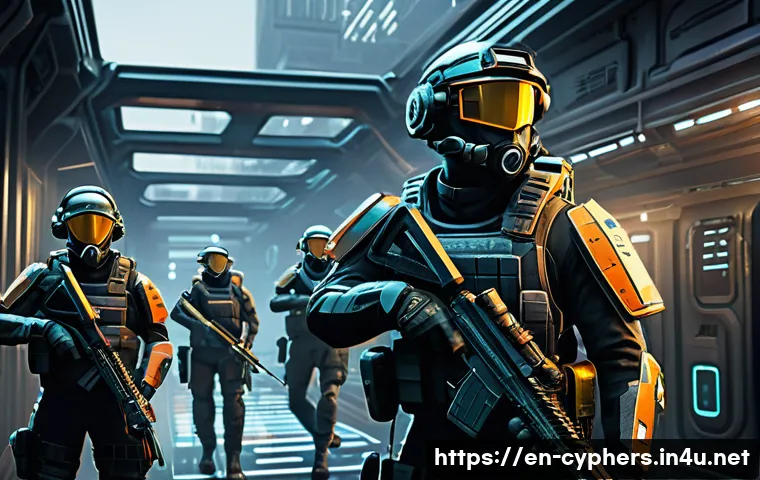
With Cyphers Raid gaining massive popularity among competitive gamers this year, mastering its intricate mechanics has never been more crucial. As the community buzzes with new updates and meta shifts, understanding the best strategies and team compositions can be a game-changer.
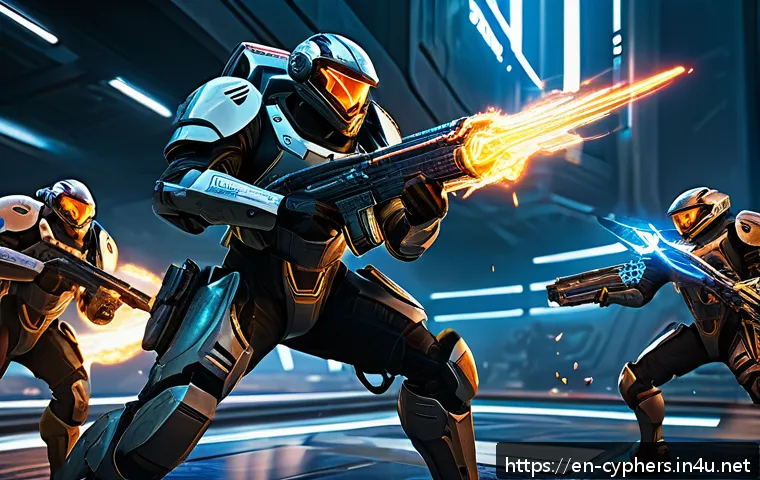
Whether you’re a seasoned player or just diving in, having a solid plan can elevate your gameplay to new heights. In this post, I’ll share proven tactics and team builds that have personally helped me secure consistent victories.
Ready to dominate the raid and climb the ranks? Let’s dive right in and unlock your full potential!
Optimizing Your Team Composition for Maximum Synergy
Balancing Roles to Cover All Bases
When assembling your squad in Cyphers Raid, the key is balance. I’ve noticed that teams skewed too heavily toward offense tend to fall apart under sustained pressure, while overly defensive lineups struggle to close out rounds efficiently.
My go-to approach has been to pick at least one high-damage dealer, a versatile crowd controller, and a support character capable of healing or buffing.
This setup ensures that every member contributes uniquely, reducing overlap and covering vulnerabilities. For example, pairing a burst damage hero with a tanky frontline and a healer creates a dynamic trio that can adapt to various situations mid-match.
It’s not just about picking your favorite characters but understanding how their abilities interlock to create a cohesive unit.
Leveraging Complementary Abilities
One thing that’s become crystal clear through experience is how certain skills naturally complement each other. Take, for instance, a team where one player can immobilize enemies while another unleashes area-of-effect damage—this combo can decimate clustered foes effortlessly.
I’ve had matches where timing these abilities perfectly turned the tide, especially during boss encounters or sudden enemy pushes. It’s worth investing time to experiment with different pairings and communicate with your teammates about cooldowns and combos.
Synchronizing your ultimates or crowd control effects not only maximizes damage output but also creates windows of opportunity for strategic repositioning.
Adapting Your Lineup Based on the Meta
The meta in Cyphers Raid is always shifting, and staying ahead means being flexible. From personal experience, sticking rigidly to one team composition will only get you so far.
When new patches introduce buffs or nerfs, some heroes rise in prominence while others fade. I make it a habit to review patch notes and watch top-tier streamers to spot emerging trends.
Sometimes, a seemingly minor tweak to a character’s skill can open up fresh strategies. For instance, when a popular support’s healing cooldown was reduced, incorporating them into my team boosted our sustainability significantly.
Keeping a few alternate builds ready and practicing them helps me pivot quickly without losing momentum in ranked play.
Mastering Map Control and Positioning
Understanding Key Zones and Choke Points
One of the biggest lessons I’ve learned is that map awareness can win games before fights even start. Cyphers Raid maps feature distinct zones where controlling territory can give your team a strategic edge—whether it’s securing resource points or denying enemy movement.
I often focus on dominating high-traffic choke points to limit the opposing team’s options. This forces opponents into predictable paths, making it easier to set up ambushes or trap them with skill combos.
Additionally, mastering these areas allows your team to rotate smoothly between objectives, keeping the pressure consistent without overextending.
Effective Positioning During Team Fights
Positioning is an art and science combined. In my gameplay, I try to maintain spacing that maximizes my character’s damage or utility while minimizing exposure to enemy burst.
For squishy damage dealers, this means hanging back near cover or behind tanks. For frontline heroes, the goal is to disrupt enemy formations and absorb incoming damage without dying early.
I’ve found that small adjustments, like sidestepping an expected area-of-effect attack or timing a dash to avoid crowd control, can completely change a team fight’s outcome.
Communication with your team about positioning also helps synchronize pushes or retreats, preventing chaotic engagements.
Utilizing Vision and Information Gathering
Having eyes on the map is crucial. I always prioritize using vision tools and abilities that reveal enemy movements, especially during late-game scenarios where one pick-off can snowball into victory.
Some heroes excel at scouting or setting traps that provide valuable intel. Integrating these heroes into your lineup enhances map control dramatically.
On several occasions, knowing the exact location of an ambushing opponent saved my team from disastrous engagements. I also encourage teammates to call out enemy positions consistently, which helps in planning coordinated attacks or avoiding dangerous areas.
Skill Prioritization and Cooldown Management
Timing Your Abilities for Maximum Impact
Over the course of countless matches, I’ve realized that when you use your abilities is just as important as what abilities you use. Spamming skills whenever available can leave you vulnerable during critical moments.
Instead, I focus on timing my crowd control or burst damage when enemies are clustered or about to engage aggressively. This calculated approach often results in devastating combos that can turn fights instantly.
Additionally, saving escape or defensive skills for clutch moments keeps me alive longer and maintains pressure on the enemy team.
Managing Cooldowns as a Team
Cooldown management isn’t just an individual responsibility—it’s a team effort. I usually communicate with my teammates about our ultimate abilities or powerful cooldowns to chain them together effectively.
For example, if a teammate signals they’re about to initiate with a stun, I hold off on my area damage until the stun lands. This coordination ensures maximum damage output and control.
I’ve found that teams who neglect this aspect tend to waste opportunities or get caught in poorly timed engagements.
Adapting Skill Builds to Your Playstyle
While some players swear by fixed builds, I believe adapting your skill priority to your personal playstyle and team needs is vital. For instance, I prefer to invest in mobility and crowd control skills for my favorite character because it fits my aggressive, hit-and-run approach.
Others might prioritize survivability or utility depending on their role. Experimenting with different skill upgrades in practice mode helped me discover the perfect balance that suits my style while complementing my team’s strategy.
Utilizing In-Game Economy and Resource Management
Prioritizing Resource Acquisition
Cyphers Raid’s resource system can often be overlooked in the heat of battle, but mastering it can give you a tangible edge. I always make a point to secure resource nodes early in the match, as this allows my team to build up gold or energy faster than the opposition.
This investment pays off later when you can afford key upgrades or powerful items that swing fights. Knowing when to push for resources versus when to defend or engage in fights is a delicate balance, but with experience, it becomes second nature.
Smart Spending and Itemization

Once you have resources, how you spend them matters just as much as how you earn them. I learned the hard way that rushing expensive items without a clear plan often leads to wasted gold and poor stat synergy.
Instead, I focus on incremental upgrades that boost my character’s strengths or patch weaknesses early on. For example, buying survivability items first on a damage dealer can prevent early deaths that stall momentum.
The right item build also depends on the enemy team’s composition—if they have heavy crowd control, investing in tenacity or cleansing items is a game-changer.
Sharing Resources and Team Economy Dynamics
Resource management isn’t always a solo affair. In team matches, pooling resources or prioritizing one player’s build can lead to better overall performance.
I’ve been part of teams where we designate a carry and funnel resources their way while other players focus on support or utility items. This strategy requires trust and communication but often results in a stronger endgame presence.
Conversely, if everyone tries to build individually without coordination, the team’s power curve suffers, making it easier for opponents to dominate.
Adapting to Meta Shifts and Patch Changes
Analyzing Patch Notes and Meta Trends
Keeping up with the evolving meta is a constant challenge, but it’s essential for staying competitive. I make it a routine to read every patch note thoroughly and watch gameplay from top players within days of updates.
This helps me understand which heroes have been buffed or nerfed and which new strategies are emerging. For example, a recent patch that increased cooldown reduction on certain abilities caused a surge in aggressive playstyles.
Adapting quickly to these changes allowed me to maintain a high win rate while others were still figuring out the shifts.
Testing New Strategies in Casual Matches
Before jumping into ranked play with new meta builds, I always test them out in casual matches. This experimentation phase lets me fine-tune my approach, discover potential weaknesses, and build muscle memory for new combos.
It’s tempting to dive straight into competitive games, but I’ve seen many players lose rank points by not practicing enough. Casual modes are the perfect environment to learn without pressure and gain confidence in fresh tactics.
Maintaining Flexibility and Open-Mindedness
One of the hardest but most rewarding lessons I’ve learned is to stay flexible and open-minded. Sometimes, what worked last season might become obsolete overnight.
Being stubborn about sticking to a single playstyle or character can limit your growth and frustrate teammates. Instead, I encourage players to embrace change and view meta shifts as opportunities to expand their skillset.
This mindset not only improves your gameplay but also makes the experience more enjoyable.
Essential Communication and Team Coordination
Effective Callouts and Information Sharing
Clear communication can be the difference between a chaotic loss and a well-executed win. I try to keep my callouts concise and relevant—calling enemy positions, ultimate statuses, or when I’m about to engage.
Over-communicating or cluttering chat with irrelevant info can distract teammates, so I focus on quality over quantity. Using voice chat or quick pings helps maintain fluid coordination, especially during fast-paced team fights where timing is critical.
Role Assignment and Responsibility Sharing
Assigning roles before the match starts streamlines teamwork. I usually discuss with my squad who will take charge of initiating fights, peeling for carries, or focusing on objective control.
This clarity prevents confusion and overlap during engagements. When everyone knows their responsibility, the team functions like a well-oiled machine.
I’ve found that teams with clear role distribution tend to make smarter decisions and adapt faster to enemy movements.
Building Trust and Positive Team Dynamics
Beyond mechanics and strategy, fostering a positive environment greatly impacts performance. I always try to encourage teammates, even after mistakes, because frustration and blame only lead to tilting and poor coordination.
Building trust takes time but results in smoother communication and better synergy. When everyone feels valued and supported, the team’s morale stays high, which often translates into clutch plays and consistent victories.
| Aspect | Key Focus | Example |
|---|---|---|
| Team Composition | Balance offense, defense, and support roles | One burst dealer + one tank + one healer |
| Map Control | Secure choke points and resource nodes | Dominating high-traffic zones to set ambushes |
| Cooldown Management | Time abilities to maximize combos | Chain stuns and area damage together |
| Resource Management | Prioritize early resource acquisition and smart item builds | Buy survivability items early on damage dealers |
| Meta Adaptation | Stay updated and test new strategies | Practice new patch heroes in casual matches |
| Communication | Clear callouts and role assignment | Call enemy ultimates and assign initiator roles |
Closing Thoughts
Mastering Cyphers Raid requires more than just individual skill—it’s about creating synergy through balanced team composition, strategic map control, and smart resource management. From my experience, staying adaptable and communicating effectively with your team can turn the tide in even the toughest matches. Keep experimenting and refining your approach to stay ahead in this ever-evolving game.
Helpful Tips to Remember
1. Prioritize a well-rounded team with clear roles to cover offense, defense, and support effectively.
2. Control key areas on the map to limit enemy movement and secure valuable resources early.
3. Coordinate ability usage with teammates to maximize damage and crowd control effects.
4. Invest resources wisely—focus on incremental upgrades that enhance your team’s overall performance.
5. Stay updated with patch changes and test new strategies in casual play before ranked matches.
Key Takeaways
To consistently perform at your best, focus on building a balanced and flexible team, maintain strong map awareness, and communicate clearly with your squad. Effective cooldown and resource management combined with adapting to meta shifts will give you a competitive edge. Remember, teamwork and adaptability are just as important as individual skill in Cyphers Raid.
Frequently Asked Questions (FAQ) 📖
Q: uestionsQ1: What are the most effective team compositions for Cyphers Raid right now?
A: From my experience and what’s currently dominating the meta, balanced teams that combine strong crowd control with burst damage tend to perform best. For example, pairing a tanky frontline with a healer and two high DPS characters allows you to sustain longer fights while dealing consistent damage.
Also, adaptability matters—a team that can switch roles or strategies mid-raid often has the upper hand. I’ve personally found success using a support-heavy lineup when facing aggressive opponents, as it provides better survivability and control.
Q: How can I improve my individual mechanics to climb the ranks faster?
A: Improving mechanics in Cyphers Raid boils down to practice focused on key skills like timing your abilities perfectly, mastering positioning, and understanding enemy behavior.
I recommend dedicating time to custom matches or training modes where you can experiment without pressure. Watching high-level gameplay and mimicking their movement patterns also helped me sharpen my reflexes.
Don’t underestimate communication either—coordinating with your team can prevent many mistakes and open up opportunities for coordinated attacks.
Q: Are there any recent updates or meta shifts I should be aware of?
A: Absolutely. The latest patches introduced some significant buffs to certain classes, especially those with crowd control abilities, which has shifted the meta toward more control-oriented gameplay.
Additionally, some popular team setups from earlier this year have become less viable due to nerfs. Staying updated by following official patch notes and community discussions is key.
Personally, I noticed that adjusting my playstyle to emphasize mobility and quick rotations has been crucial in adapting to these changes.