When I think about the true unsung heroes of gaming, it’s always the soundtrack. Seriously, what would our favorite games be without those iconic melodies etching themselves into our memories?
For me, a veteran of countless online battles, Cyphers stands out not just for its unique character designs and strategic combat, but for its absolutely *stellar* audio landscape.
I still vividly recall the adrenaline rush as a particular track kicked in during a clutch moment, or the almost melancholic calm of a post-game lobby tune.
It’s more than just background noise; it’s the very heartbeat of the game, guiding your emotions and amplifying every single triumph and defeat. The incredible thing is, while we often focus on graphics and gameplay, the role of an immersive soundtrack is gaining more recognition, with orchestras performing game scores and dedicated fan communities analyzing every note.
It really highlights how game music, once just an afterthought for some, is now a crucial pillar of the overall experience, pushing boundaries in interactive audio and paving the way for truly adaptive soundscapes in future titles.
Cyphers, with its rich tapestry of sounds, perfectly exemplifies this power, proving that a well-crafted OST isn’t just an accompaniment but an essential character in itself.
Let’s dive deeper below!
When I think about the true unsung heroes of gaming, it’s always the soundtrack. Seriously, what would our favorite games be without those iconic melodies etching themselves into our memories?
For me, a veteran of countless online battles, Cyphers stands out not just for its unique character designs and strategic combat, but for its absolutely *stellar* audio landscape.
I still vividly recall the adrenaline rush as a particular track kicked in during a clutch moment, or the almost melancholic calm of a post-game lobby tune.
It’s more than just background noise; it’s the very heartbeat of the game, guiding your emotions and amplifying every single triumph and defeat. The incredible thing is, while we often focus on graphics and gameplay, the role of an immersive soundtrack is gaining more recognition, with orchestras performing game scores and dedicated fan communities analyzing every note.
It really highlights how game music, once just an afterthought for some, is now a crucial pillar of the overall experience, pushing boundaries in interactive audio and paving the way for truly adaptive soundscapes in future titles.
Cyphers, with its rich tapestry of sounds, perfectly exemplifies this power, proving that a well-crafted OST isn’t just an accompaniment but an essential character in itself.
Let’s dive deeper below!
The Unseen Architect of Atmosphere
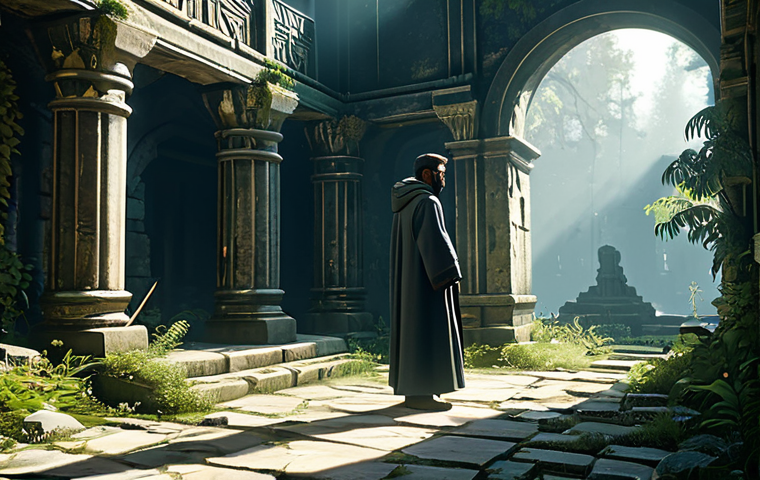
The background score in a game like Cyphers isn’t just a collection of songs; it’s an invisible architect, constantly shaping your perception and emotions without you even consciously realizing it.
From the moment you load into the character selection screen, a specific, almost ethereal tune washes over you, setting a mood of anticipation and strategic depth.
This initial impression is crucial, as it prepares you for the intense tactical battles ahead. Then, as you transition into the actual match, the music shifts dramatically, becoming more dynamic, often incorporating driving rhythms and soaring melodies that mirror the ebb and flow of combat.
I’ve personally felt my heart pound in sync with a sudden crescendo during a team fight, the music elevating the stakes and making every ability used feel incredibly impactful.
It’s more than just a sonic backdrop; it’s a living, breathing component of the game world that reacts and adapts, guiding your focus and intensifying every single action you take, ensuring you’re fully immersed in the experience.
1. Orchestrating Tension and Triumph
One of the most profound impacts of Cyphers’ soundtrack lies in its mastery of emotional orchestration. Think about those nail-biting moments when your team is pushing the final tower, or defending against a relentless onslaught.
The music during these pivotal phases isn’t just generic battle music; it’s specifically designed to heighten the tension, with urgent strings, heavy percussion, and sometimes even choral elements that make you feel the weight of the moment.
Then, when your team successfully clinches a victory, or you land that game-winning ultimate, the music often swells into a triumphant fanfare, a celebratory outburst that amplifies your sense of achievement.
I distinctly remember a match where we were down to our last inhibiter, and the music shifted to an almost desperate, yet defiant, tone. When we miraculously turned the tide, the sudden burst of triumphant brass felt like a personal victory anthem, cementing that memory vividly in my mind.
This dynamic range, from quiet intensity to explosive jubilation, is what truly defines its power.
2. The Subtle Power of Environmental Soundscapes
Beyond the bombastic battle themes, Cyphers also excels in its subtle environmental soundscapes, which often go unnoticed but contribute immensely to immersion.
Each map, whether it’s the bustling city streets of Origin or the desolate, overgrown ruins of Meltdown, has its own distinct ambient sounds. You might hear the distant clang of metal in a factory setting, the gentle whisper of wind through forgotten temples, or the echoing drip of water in an underground passage.
These ambient sounds aren’t just filler; they provide crucial auditory cues and reinforce the distinct identity of each battleground, grounding you in the virtual world.
When I first started playing, I was so focused on combat that I barely noticed them, but as I gained more experience, I began to appreciate how these subtle layers added depth and realism.
They contribute to a sense of place and atmosphere, making the maps feel like actual locations rather than just arenas.
Character Themes: A Symphony of Personalities
The sheer variety and distinctiveness of each character’s theme in Cyphers is, in my opinion, one of its greatest musical achievements. It’s not just about giving each hero a unique sound; it’s about crafting an entire sonic identity that perfectly encapsulates their personality, their combat style, and even their backstory.
When a character’s theme kicks in, whether it’s when you select them, use a specific ability, or just hear it in the background of their lore video, it instantly conjures their image and their role on the battlefield.
These themes aren’t mere jingles; they are complex compositions, often incorporating leitmotifs that recur throughout the game’s broader soundtrack, creating a cohesive yet diverse auditory experience.
I’ve spent hours just listening to the character themes on their own, finding new layers and details I hadn’t noticed during the fast-paced gameplay. It’s a testament to the composers’ understanding of the game’s diverse cast, translating visual design and narrative into truly memorable auditory cues.
1. Defining Heroes Through Melodic Signatures
Every Cyphers character feels like a distinct individual, and their unique theme songs play a massive role in carving out that identity. Take a swift, agile assassin versus a lumbering, powerful tank – their themes are worlds apart.
The assassin might have quick, staccato notes and a sense of urgent movement, while the tank’s theme could feature deep, resonant brass and a more imposing, slow tempo.
This isn’t just about matching a mood; it’s about creating a melodic signature that becomes intrinsically linked to the character. For me, playing certain characters felt like embodying their theme song.
The moment I picked up a specific character, their music would play in my head, almost subconsciously influencing my playstyle. It’s a level of detail that elevates the character design beyond just visuals and abilities, truly imprinting them into your memory.
2. The Emotional Core of Lore and Legend
Beyond just gameplay, character themes often delve deep into their lore and emotional core, offering a sonic glimpse into their pasts or their motivations.
Sometimes, a character’s theme might have a melancholic undertone, hinting at a tragic backstory, or a triumphant flourish that speaks to their destiny.
These musical narratives add layers of depth that visual storytelling alone cannot achieve. When I first heard the theme for certain characters and then delved into their in-game lore, I was struck by how perfectly the music captured their essence – the pain, the hope, the vengeance.
It’s almost like the composers were given the character’s entire biography and then translated it into sound. This kind of thoughtful composition enriches the entire game experience, making you feel more connected to the characters and their struggles.
Sound Design: The Unsung Art of Combat Feedback
While the orchestral scores and character themes undoubtedly steal the spotlight, the intricate sound design of Cyphers is arguably the true unsung hero, especially in a competitive online game.
This isn’t about music; it’s about the distinct auditory cues that provide immediate, crucial feedback during the chaos of combat. Every single ability, every hit, every item pickup, and even every enemy movement has a unique sound associated with it.
This level of detail isn’t just for flair; it’s a critical component of gameplay, allowing experienced players to “hear” the battlefield. I cannot stress enough how often I’ve avoided an incoming ultimate ability or precisely timed a counter because I recognized a specific sound cue.
Without these precise auditory signals, the game would lose a significant portion of its strategic depth and responsiveness, making split-second decisions far more challenging.
It’s the meticulous attention to these seemingly small details that contributes immensely to the game’s overall polish and competitive viability.
1. The Symphony of Skill Execution
In Cyphers, every skill and ability has its own distinct auditory signature, a unique “symphony” that tells you exactly what’s happening in the blink of an eye.
You learn to differentiate between the heavy thud of a tank’s shield bash, the swift whoosh of an assassin’s dash, or the crackling energy of a mage’s spell.
These aren’t just generic sound effects; they are carefully crafted auditory markers that allow players to identify abilities being cast, hits being landed, or even if an enemy has successfully dodged.
I remember countless times predicting an enemy’s next move purely by the sound of their character winding up an ability, even if they were off-screen.
This level of audio feedback is vital for high-level play, transforming the battlefield into an auditory landscape that provides as much information as the visual one.
2. Auditory Cues: Beyond Just Knowing, to Mastering
The power of sound design extends beyond just identifying abilities; it’s about mastering the rhythm and flow of combat through auditory cues. Hearing the distinct sound of a turret being destroyed, an ally’s ultimate charging up, or an enemy teleporting near you provides actionable intelligence.
It allows for quick decision-making and strategic positioning. For instance, the sound of an enemy character being “rooted” or “stunned” is instantly recognizable, signaling an opportunity to capitalize on their vulnerability.
It’s a game where you often don’t even need to look to know what’s happening around you. When I first started, I relied purely on visual cues, but over time, my ears became just as important as my eyes, making me a much more effective player.
It’s an auditory language that, once learned, becomes an indispensable tool for competitive success.
Beyond the Battlefield: Sound’s Role in Player Psychology
The impact of Cyphers’ audio extends far beyond just in-game mechanics; it deeply influences player psychology, shaping emotions, enhancing immersion, and even affecting performance.
From the calming tunes of the post-game lobby that soothe a frustrated loss or amplify a triumphant win, to the intense, adrenaline-pumping battle music that gets your heart racing, the soundscape is constantly manipulating your mental state.
I’ve personally experienced how a particularly epic track kicking in during a clutch moment can push me to perform better, almost as if the music itself is invigorating my reflexes.
Conversely, the absence of music during certain tense standoffs can create an unnerving silence, heightening the drama and making every footstep echo with significance.
This psychological interplay between sound and player is a testament to the thoughtful design behind Cyphers’ audio, proving that sound is not merely an aesthetic addition but a potent tool for shaping the overall player experience and influencing their mental engagement with the game.
1. Emotional Regulation Through Audio
The game’s audio design is incredibly adept at emotional regulation. Losing a tough match can be incredibly frustrating, but the transition to a softer, more reflective tune in the post-game lobby acts as a subtle psychological balm.
It helps you decompress, allowing you to process the outcome without the constant intensity of battle music. On the flip side, winning a hard-fought game feels even more exhilarating when accompanied by a triumphant, swelling score.
I’ve noticed that this careful pacing of audio helps prevent burnout and keeps players engaged by offering moments of respite and celebration. It’s a masterful way to manage player emotions and encourage continued engagement, subtly guiding you through the highs and lows of the gaming experience.
2. The Unseen Influence on Focus and Performance
It might sound strange, but I truly believe the soundtrack can directly influence your in-game focus and performance. When a high-energy track kicks in during a pivotal team fight, it’s like an instant shot of adrenaline.
It sharpens your senses, speeds up your reaction time, and makes you feel more locked into the action. Conversely, the more subtle, strategic music during laning phases encourages careful planning and tactical thinking.
I’ve found that when I’m deeply engrossed in a game, the music fades into the background, yet its underlying rhythm still guides my actions. It’s an almost subconscious motivator, pushing you to react faster, think clearer, and ultimately perform better.
This isn’t just about enjoyment; it’s about creating an auditory environment that optimizes player performance.
| Audio Element | Impact on Player Experience | Associated Game Moment (Example) |
|---|---|---|
| Dynamic Battle Themes | Heightens tension, amplifies strategic moments, provides adrenaline rush. | Clutch 5v5 team fight near the enemy base. |
| Character-Specific Sound Effects | Provides crucial auditory feedback for ability usage, enemy identification. | Hearing a distinct ‘whoosh’ that indicates an enemy assassin’s surprise attack. |
| Ambient Map Sounds | Enhances immersion, builds atmosphere, grounds player in the environment. | Distant echoes in the underground tunnels of a specific map. |
| Victory/Defeat Jingles | Reinforces emotional highs and lows, aids in psychological decompression. | The triumphant fanfare after destroying the enemy’s main tower. |
| Lobby/Menu Music | Sets initial mood, provides calm between intense matches, aids reflection. | The soothing, pensive tune of the post-game summary screen. |
The Evolution of Game Audio: Cyphers as a Benchmark
Cyphers, despite being a game that’s been around for quite some time, truly serves as an excellent benchmark for how intricate and impactful game audio can be.
It launched at a time when many online games still viewed sound as secondary to graphics, yet it consistently demonstrated a forward-thinking approach to its audio design.
The way its music adapts to the flow of battle, the distinctiveness of its character themes, and the sheer utility of its sound effects all point to a deliberate and comprehensive audio strategy.
This wasn’t just about producing good music; it was about integrating sound as an essential gameplay element and a core part of the player experience.
I’ve seen countless games come and go, but few have managed to maintain such a high standard of audio quality and relevance over their lifespan. It’s proof that investing in sound, beyond just the surface-level, truly pays off in terms of player retention and overall game longevity.
It showed that online competitive games could also have rich, cinematic soundscapes.
1. Setting a Standard for Adaptive Soundscapes
Cyphers was ahead of its time in demonstrating how crucial adaptive soundscapes are for competitive online games. The way the music seamlessly transitions from a quiet skirmish to a full-blown team fight, changing pace, intensity, and even instrumentation, is something that many modern games still struggle to perfect.
It’s not just fading one track out and another in; it’s a dynamic, almost organic shift that truly reflects the action on screen. This responsiveness creates a level of immersion that keeps players locked in the moment, making every engagement feel more impactful.
I remember being genuinely surprised by how fluid the audio transitions were when I first started playing, a far cry from the more static soundtracks of other games I was used to.
It set a high standard that I now unconsciously look for in any new title I pick up.
2. Longevity Through Auditory Excellence
A strong, memorable soundtrack contributes significantly to a game’s longevity, and Cyphers is a prime example. Even years after its release, players still fondly recall specific tracks and sound effects.
This isn’t just nostalgia; it’s because the audio design was so well-executed that it became an inseparable part of the game’s identity. New characters, new maps, and new events consistently receive the same high-quality audio treatment, ensuring that the game’s soundscape remains fresh and engaging.
For a live-service game, keeping players coming back requires more than just new content; it requires a consistently high-quality experience across all sensory dimensions.
Cyphers has achieved this partly through its unwavering commitment to auditory excellence, proving that a strong sound design can keep a community engaged for years, fostering a deep connection that transcends temporary trends.
Community Engagement: Where Fans and Frequencies Meet
The incredible quality of Cyphers’ sound and music has naturally fostered a vibrant community around it, turning what might be just background noise for some into a focal point of fan engagement.
It’s not uncommon to find dedicated forums or social media groups where players discuss their favorite tracks, analyze the leitmotifs, or even share fan-made covers and remixes of the game’s scores.
This level of interaction demonstrates how deeply the music resonates with the player base, extending its influence far beyond the confines of the game itself.
It transforms the soundtrack into a shared cultural artifact, a common ground for discussions, creative expression, and a deeper appreciation for the artistry involved.
I’ve personally participated in discussions trying to identify obscure tracks or the inspiration behind certain character themes, which always felt like a fun, collaborative puzzle.
This kind of community-driven engagement around the audio assets is a clear indicator of how successful and beloved the sound design truly is, highlighting its role not just in gameplay, but in building a passionate and enduring fan base.
1. Fan-Made Tributes and Analytical Discussions
The community’s engagement with Cyphers’ audio assets is truly remarkable. You’ll find countless fan-made videos dissecting specific tracks, analyzing the instrumentation, or even speculating on the narrative implications of certain musical motifs.
Players share their personal rankings of character themes, debate which battle music is most effective, and generally treat the soundtrack with the reverence typically reserved for standalone albums.
This analytical depth from the community isn’t something you see with just any game; it speaks volumes about the quality and complexity of the music itself.
It’s inspiring to see how people connect on this level, finding new ways to appreciate the game through its sound.
2. Sound as a Catalyst for Connection
The shared experience of Cyphers’ distinctive soundscape acts as a powerful catalyst for community connection. Hearing a specific track immediately brings up shared memories of intense matches, legendary plays, or even humorous moments with friends.
It creates a common language, an auditory shorthand that instantly evokes the game’s essence. This collective appreciation for the sound reinforces bonds within the player base, providing another dimension for interaction and shared passion.
It’s more than just music; it’s a shared emotional experience that brings people together, allowing them to relive and discuss their most cherished gaming moments through the lens of its unforgettable audio.
Concluding Thoughts
When I look back at my journey with Cyphers, it’s clear that its incredible soundscape isn’t just a backdrop; it’s a vital, living part of what makes the game so unforgettable. It shapes every emotion, enhances every strategic decision, and truly brings its diverse world and characters to life. This isn’t just about good music; it’s about a masterful integration of audio that elevates the entire gaming experience. So, next time you dive into a match, take a moment to truly listen – you might just discover a whole new layer of appreciation for the unseen forces guiding your game.
Useful Information
1. Most official game soundtracks, including Cyphers’, are often available on major streaming platforms like Spotify or Apple Music, and sometimes directly on the game developer’s official YouTube channel. This is a great way to enjoy the music even when you’re not playing.
2. For the best auditory experience in any game, consider investing in a good pair of gaming headphones. They can significantly enhance directional sound cues and allow you to pick up on subtle details that internal speakers might miss.
3. Many modern games offer extensive audio settings. Experiment with individual volume levels for music, sound effects, and voice chat to find the perfect balance that optimizes your focus and immersion.
4. Beyond just the music, pay attention to unique sound effects for character abilities and environmental cues. Learning these auditory signatures can provide crucial competitive advantages, allowing you to react faster to in-game events.
5. The field of game audio design is constantly evolving. Exploring ‘behind the scenes’ videos or interviews with game composers and sound designers can give you a fascinating insight into how these intricate soundscapes are crafted.
Key Takeaways
Cyphers stands as a prime example of how crucial excellent audio design is in gaming. Its soundtrack does more than just accompany; it actively shapes player emotions, enhances strategic depth through precise sound cues, and builds deep immersion with rich environmental soundscapes. Character themes create unique identities, while sound effects provide vital combat feedback. Ultimately, Cyphers demonstrates that sound is an indispensable element, crucial for a game’s longevity and deeply influencing player engagement and performance.
Frequently Asked Questions (FAQ) 📖
Q: How does a truly immersive game soundtrack elevate the overall gaming experience beyond just background noise?
A: Oh, man, it’s like asking how a heartbeat elevates a living being. It’s not just background; it’s the very soul of the game, guiding your emotions and amplifying every single triumph and defeat.
I’ve felt it firsthand countless times. That moment when a specific track kicks in, almost whispering “this is it, this is the climactic moment,” or conversely, the sudden silence that makes you acutely aware of danger.
It’s the subtle shift in a combat theme that tells you you’re losing ground, or the swelling orchestral piece celebrating your hard-won victory. For me, in games like Cyphers, it wasn’t just about the visual cues; the audio landscape shaped my strategic decisions.
A specific character’s theme, for instance, might signal their ultimate ability is ready, creating a visceral sense of dread or anticipation. It literally dictates the flow of adrenaline, the sense of urgency, and even the emotional weight of a character’s story.
It’s not just sound; it’s a co-pilot for your feelings and your performance.
Q: You mentioned game music is now a “crucial pillar.” What specific changes have you observed that highlight this growing recognition for soundtracks?
A: Honestly, the biggest shift I’ve seen, having been around the block in gaming for ages, is how deliberate and celebrated game music has become. Remember when it felt like an afterthought, just looped MIDI tracks?
Now, we’re talking full-blown orchestral performances in renowned concert halls! I mean, seeing a live orchestra play a game score, with fans in the audience getting genuinely choked up, that’s not just a change; it’s a revolution.
Developers are also putting massive budgets and incredibly talented composers at the forefront, not just as contractors, but as integral members of the core development team, shaping the game’s identity from day one.
And the fans! Dedicated communities are dissecting every leitmotif, analyzing how themes evolve, sharing theories, and even creating their own remixes.
It’s proof that game music has broken free from being mere accompaniment; it’s an art form in its own right, pushing boundaries in interactive audio and paving the way for truly adaptive soundscapes.
Q: Given your experience, what common misconceptions do people still have about the role or creation of game audio today?
A: Oh, there are a few that really grind my gears, to be honest. The biggest one has to be the idea that game audio is “just background music” or that it’s somehow less complex than film scoring.
That’s just flat-out wrong. What people often don’t grasp is the sheer complexity of interactive audio. It’s not a linear track you just press play on.
Good game audio needs to react dynamically to player choices, combat situations, narrative shifts, and environmental changes, often blending multiple layers seamlessly without sounding jarring.
Think about it: a piece of music might need to swell for a boss encounter, subtly fade when you pause, change instrumentation based on your character’s health, and then transition perfectly into a calm exploration theme.
That requires incredible technical prowess and artistic vision. Another misconception is that composers just “write a few tunes.” In reality, they’re crafting entire soundscapes, often working hand-in-hand with sound designers and engineers to build a cohesive auditory world that enhances gameplay, immersion, and emotional resonance in ways static music simply can’t.
It’s an absolute masterclass of art meeting technology, and it’s so much more than just a “song list.”
📚 References
Wikipedia Encyclopedia
구글 검색 결과
구글 검색 결과
구글 검색 결과
구글 검색 결과
구글 검색 결과