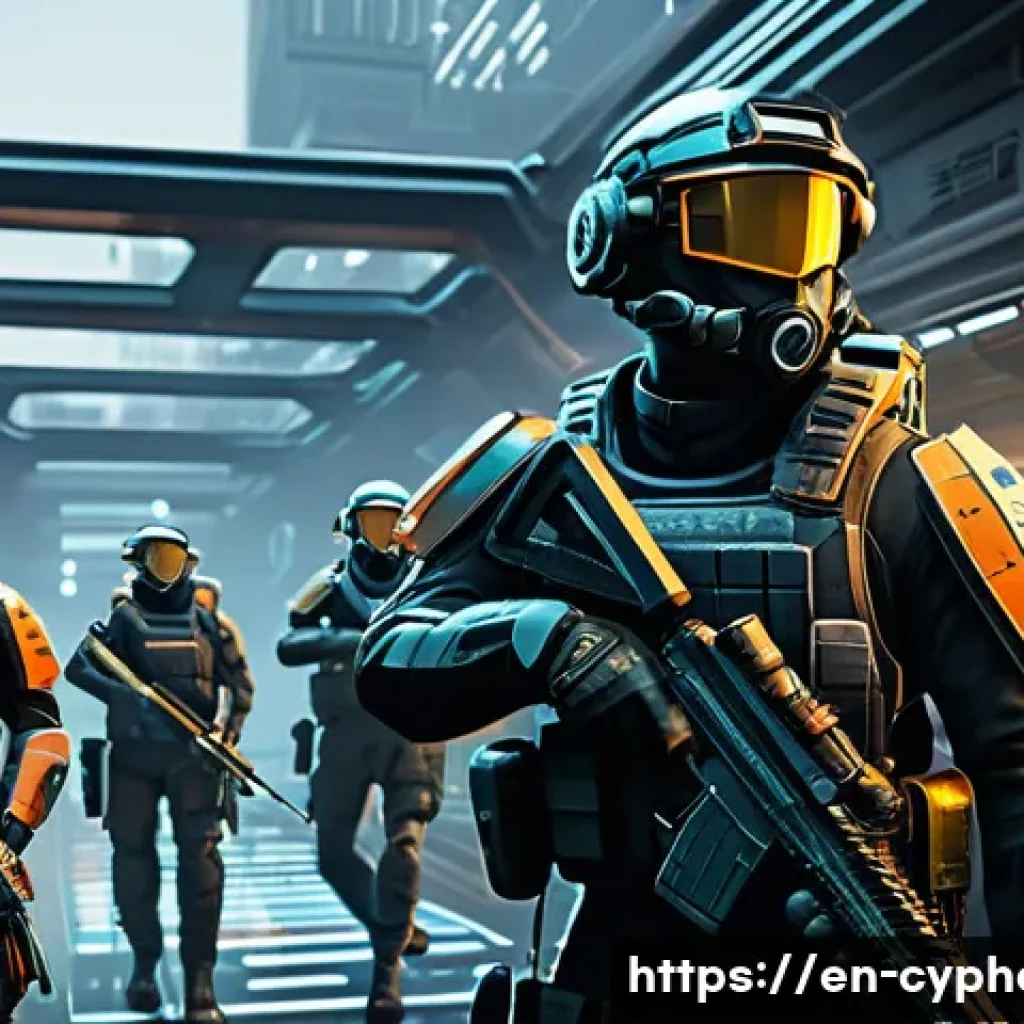
Conquering the battlefield in Cyphers’ Siege Mode demands more than just quick reflexes—it requires sharp strategy and teamwork. Understanding the map layout, timing your attacks, and coordinating with your squad can turn the tide of war in your favor.
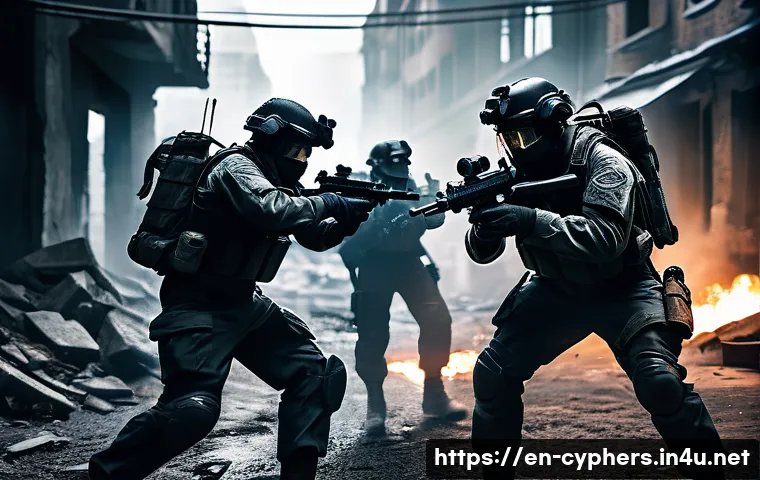
Whether you’re defending your base or pushing forward to capture objectives, every decision counts. I’ve personally seen how a well-planned siege can completely outsmart the opposing team.
Ready to elevate your gameplay and dominate the Siege? Let’s dive into the details below!
Mastering Map Control: The Heart of Siege Success
Decoding Key Zones and Their Impact
Understanding the map’s layout is absolutely crucial to gaining an upper hand in Siege Mode. Each map consists of several pivotal zones that serve as choke points or strategic vantage spots.
For example, controlling the central corridor often allows your team to intercept enemy reinforcements or cut off their retreat routes. From my experience, focusing too much on peripheral areas without securing these hotspots leaves your team vulnerable to surprise flanks.
It’s not just about holding ground but knowing which areas grant tactical advantages for both offense and defense. When you identify these zones early, you can assign roles accordingly, ensuring your squad’s resources are maximized where they matter most.
Timing Your Moves with Map Awareness
Timing is everything when it comes to map control. Rushing into contested areas without proper timing can lead to devastating losses. I’ve found that waiting for your teammates to secure one objective before pushing forward creates a momentum that’s hard to stop.
Conversely, a well-timed rotation to a less defended zone can catch opponents off guard, especially if you notice their focus is elsewhere. Using in-game cues such as spawn timers and enemy movement patterns helps you decide when to hold steady or strike.
The key is staying flexible—don’t commit to a plan too rigidly if the battlefield dynamics shift unexpectedly.
Leveraging Environmental Features for Defense and Offense
Each map offers environmental features like walls, narrow passages, and high grounds that can be game-changers. I once held off a full enemy push simply by positioning myself on an elevated platform that gave me a clear line of sight and cover.
Using these features to your advantage requires practice and awareness, but it pays off massively. Defensive setups often benefit from tight choke points where enemies can be funneled and picked off one by one.
On the offensive side, sneaking through less obvious routes or using cover to advance can break enemy lines and create openings for your team to exploit.
Communication and Teamwork: The Silent Weapons
Establishing Clear Roles Before the Battle
One of the biggest mistakes teams make is jumping into Siege Mode without defined roles. Whether you’re the scout, the frontline bruiser, or the support specialist, knowing your responsibilities keeps the squad coordinated and effective.
In my matches, teams that quickly assign roles and stick to them tend to perform better under pressure. Roles help avoid overlapping efforts and wasted resources, especially during critical moments like a base push or a last-ditch defense.
Real-Time Callouts and Adaptation
Even the best-laid plans can go sideways if communication breaks down mid-match. Real-time callouts about enemy positions, cooldowns, or incoming threats help your team adapt quickly.
I personally rely on short, concise messages to avoid clutter and confusion—something like “Left flank pushed, need backup” or “Ultimate ready, hold position.” When everyone is on the same page, it’s easier to coordinate surprise attacks or fall back without chaos.
Adapting your strategy on the fly is what separates good teams from great ones.
Building Trust Through Consistent Playstyles
Trust in your teammates’ abilities and decisions is a subtle but powerful factor. When everyone understands each other’s playstyles, it reduces hesitation and second-guessing during critical moments.
I’ve noticed that after a few matches with the same squad, we naturally anticipate each other’s moves, which speeds up our reactions and decision-making.
This kind of synergy makes executing complex maneuvers feel seamless and often leads to clutch victories.
Resource Management and Cooldown Efficiency
Prioritizing Ability Usage Without Wasting Cooldowns
One of the trickiest parts of Siege Mode is managing your abilities and cooldowns efficiently. Overusing powerful skills too early can leave you vulnerable during crucial fights.
From my own gameplay, pacing your ability usage based on the flow of battle is essential. For instance, holding onto your crowd control abilities until the enemy clusters up or saving defensive buffs for when your base is under heavy assault can dramatically shift outcomes.
Knowing when to pull the trigger and when to hold back comes with experience but is worth mastering.
Balancing Aggression and Conservation
It’s tempting to be aggressive in Siege Mode, especially when you feel the momentum swinging your way. However, reckless aggression often backfires if you run out of key resources at a critical juncture.
I’ve learned to balance pushing forward with conserving enough abilities and health to survive counterattacks. This balance keeps your team sustainable over longer engagements rather than burning out early and conceding ground.
Tracking Enemy Cooldowns for Strategic Advantage
Keeping an eye on enemy cooldowns is just as important as managing your own. If you know that the opposing team’s healer just used their ultimate or that their strongest damage dealer is temporarily out of abilities, you can capitalize on those windows of vulnerability.
In one intense match, our team waited out an enemy’s shield cooldown and then launched a coordinated push that broke their defense almost instantly. This kind of tactical patience requires awareness and communication but often pays off handsomely.
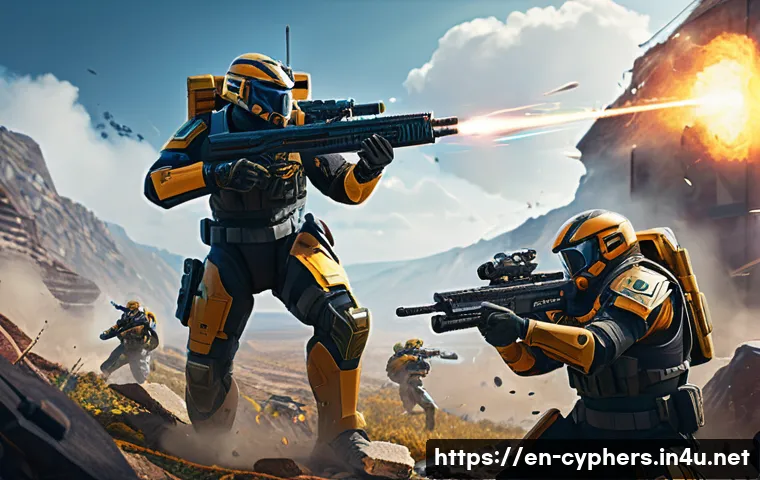
Objective Prioritization and Tactical Decision-Making
Evaluating When to Push or Hold Back
Knowing when to push an objective or fall back is a constant judgment call. I’ve seen teams lose because they forced a push without proper backup or retreated too soon, missing a golden opportunity.
Factors like current health, enemy positioning, and cooldown availability should influence these decisions. Often, a well-timed feint or bait can draw enemies out and create openings.
The key is to avoid tunnel vision on a single objective and always be ready to switch strategies based on the battlefield.
Using Distractions and Diversions to Your Advantage
Diversion tactics can turn the tide when executed correctly. Sending a small squad to harass an enemy flank or create noise on one side can pull defenders away from a critical point, making the main push easier.
I recall a game where a well-coordinated diversion allowed our main team to capture the objective almost uncontested. The psychological impact of forcing enemies to split focus should never be underestimated.
Setting Up Defensive Perimeters After Captures
Once an objective is captured, it’s tempting to relax, but setting up a solid defense is crucial. Establishing choke points, placing vision wards, or positioning teammates in key spots can prevent easy retakes.
I usually recommend rotating some players into defensive roles immediately after securing an objective while others remain ready to counterattack. This balance between offense and defense keeps pressure on the enemy and solidifies your control.
Champion Selection and Team Composition Strategies
Choosing Roles that Complement Each Other
A balanced team composition can be the difference between a smooth siege and a chaotic mess. When picking champions, consider how their abilities synergize with your team’s overall strategy.
For example, pairing a tank with strong crowd control alongside a high burst damage dealer creates effective combos. I always try to draft champions that cover both offensive and defensive needs, ensuring versatility in various scenarios.
Adapting Picks Based on Enemy Lineup
Flexibility during champion selection is vital. If the enemy team picks a highly mobile assassin, it might be wise to choose champions with crowd control or high survivability to counter them.
Conversely, if the opponents are heavy on defense, selecting champions with area-of-effect damage or siege potential can break their lines. I’ve found that being able to pivot your strategy during champion select sets the tone for the entire match.
Leveraging Ultimate Abilities for Team-Wide Impact
Ultimates can be game-changers in Siege Mode, especially when coordinated well. Timing your team’s ultimates to hit simultaneously or in sequence can overwhelm the enemy and open objectives for capture.
In one memorable match, our team saved ultimates for a synchronized push on the final objective, turning what looked like a losing game into a clutch victory.
Communication and practice with your squad are essential to pull off these high-impact plays.
Essential Siege Mode Metrics at a Glance
| Aspect | Key Focus | Why It Matters |
|---|---|---|
| Map Control | Securing choke points and vantage spots | Dictates movement and restricts enemy options |
| Communication | Clear callouts and role assignments | Keeps team coordinated and responsive |
| Resource Management | Timing ability usage and conserving cooldowns | Maximizes effectiveness in critical moments |
| Objective Prioritization | Choosing when to push or defend | Ensures efficient use of team strength |
| Team Composition | Balanced roles and synergy | Enhances adaptability and combat efficiency |
Closing Thoughts
Mastering Siege Mode is all about understanding the map, effective communication, and smart resource management. When your team works in harmony, adapting to dynamic situations, victory becomes much more attainable. Remember, it’s not just about individual skill but how well you coordinate and make tactical decisions together. Keep practicing these core elements to elevate your gameplay to the next level.
Useful Tips to Keep in Mind
1. Always prioritize controlling key areas on the map to limit your opponents’ movement and options.
2. Establish clear roles before the match starts to ensure everyone knows their responsibilities.
3. Use concise and timely communication to adapt quickly during intense moments.
4. Manage your abilities wisely—saving powerful skills for the right moment can turn the tide.
5. Choose your team composition based on synergy and the enemy’s lineup to stay flexible and effective.
Key Takeaways for Success
To succeed in Siege Mode, focus on securing strategic map zones that offer tactical advantages. Communicate constantly with your team using clear, brief callouts to maintain coordination. Manage your cooldowns and abilities carefully to avoid vulnerability during fights. Always evaluate the battlefield before deciding to push or retreat, balancing aggression with caution. Finally, build a well-rounded team that complements each other’s strengths and adapts to your opponents’ strategy for maximum impact.
Frequently Asked Questions (FAQ) 📖
Q: What’s the best way to coordinate with my team during Siege Mode?
A: Communication is absolutely key in Siege Mode. I’ve found that using voice chat or quick pings to share enemy positions, cooldowns, and attack plans can make a huge difference.
Before the match starts, it helps to assign roles—like who’s defending, who’s pushing, and who’s handling objectives. Keeping a calm but clear line of communication, especially when the pressure is on, can turn a chaotic fight into a well-orchestrated victory.
Q: How important is map knowledge for winning in Siege Mode?
A: Knowing the map inside and out is a game-changer. When you’re familiar with choke points, hiding spots, and objective locations, you can predict enemy movements and plan ambushes effectively.
In my experience, even a split-second advantage from knowing where to expect an enemy can completely shift the battle. It’s worth spending time exploring the map solo or watching replays to spot patterns that can be exploited.
Q: Should I focus more on attacking or defending during Siege Mode?
A: It really depends on your team’s strategy and the flow of the match. I’ve seen teams dominate by playing aggressively, constantly pressuring the enemy and capturing objectives quickly.
On the other hand, a solid defense can wear down opponents and protect your base until the perfect moment to counterattack. The best approach is flexible—read the situation, communicate with your squad, and switch between attacking and defending as needed to keep the enemy guessing.